Understanding Dance as a Form of Expression and Art
Dance has long been an integral part of human culture, serving as a vibrant medium through which individuals express emotions, tell stories, and connect with the world around them. Today, as we navigate a rapidly changing cultural landscape, the relevance of dance is more pronounced than ever. With the emergence of new technologies, changing societal norms, and an increasingly interconnected global community, dance has evolved, prompting a deeper understanding of its role as both an art form and a vehicle for cultural expression.
What Defines Dance in Today’s Culture?
In contemporary society, dance transcends mere movement; it embodies a narrative that resonates with viewers on a personal level. Various styles of dance—ranging from ballet to hip-hop—reflect cultural identities, issues of social justice, and the complexity of human emotions. The modern dance scene often incorporates elements of digital media, cultivating a new realm of performance that challenges traditional boundaries. Dance is no longer confined to the stage but is being integrated into various contexts, from social media challenges to interactive installations, making it accessible to a wider audience.
The Importance of Dance Techniques and Styles
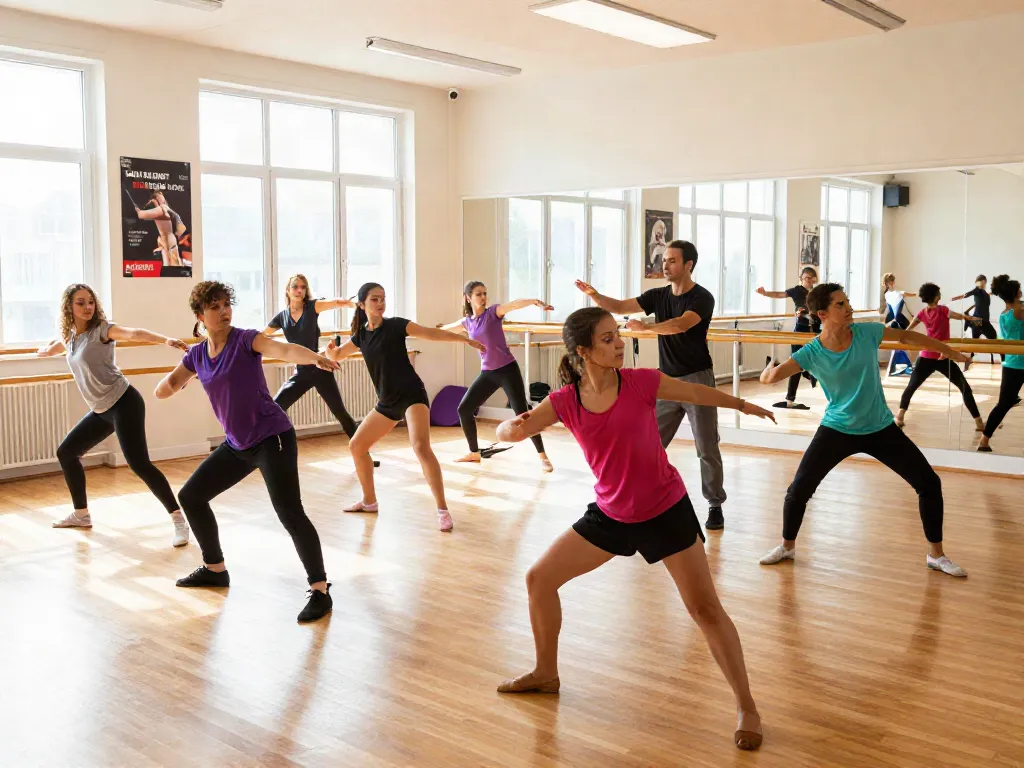
Each dance style presents unique techniques that highlight the diversity of the art form. Traditional techniques can be preserved while also being adapted to incorporate contemporary influences. For example, ballet remains foundational for many dancers, reinforcing discipline and precision. Meanwhile, urban dance genres like breakdancing embody spontaneity, reflecting the vibrancy of street culture. Understanding these various styles allows dancers to expand their repertoire and enhances their ability to communicate messages effectively through movement.
How Dance Connects Communities and Cultures
Dance acts as a universal language, breaking down barriers and fostering connections among diverse communities. Through community dance programs and cultural exchanges, individuals can share their traditions, stories, and experiences. This exchange not only promotes cultural understanding but also nurtures a sense of belonging. Events such as dance festivals or cultural showcases empower local artists and provide a platform for artistic collaboration. The kineticsynergydancecompany.com highlights these initiatives by actively engaging with local communities to promote dance as a means of cultural expression and understanding.
Building a Strong Dance Community
Fostering a robust dance community is essential for the growth of individual dancers and the overall art form. A strong community not only provides a support system but also encourages artistic exploration and innovation. Dance companies should prioritize community engagement and collaboration to strengthen their ties to local audiences.
Engagement Strategies for Dance Companies
Dance companies can implement various strategies to effectively engage with their communities. Hosting workshops, open classes, and outreach programs can make dance more accessible to the public. Collaborating with local schools and universities to provide dance education and performance opportunities can inspire the next generation of dancers while also widening the company’s reach. Additionally, leveraging feedback from community members can help shape future programming that aligns with audience interests.
Collaboration with Local Artists and Organizations
Collaborative efforts with other artists and organizations can enhance creative output and expand audiences. Partnerships with visual artists, musicians, or local theaters can lead to innovative performances that merge different art forms. By working together, artists can create memorable experiences that resonate with community members and elevate the art of dance.
The Role of Social Media in Community Building
In the digital age, social media plays a pivotal role in building communities around dance. Platforms like Instagram, TikTok, and YouTube enable dancers to share their work and connect with audiences globally. Social media also allows dance companies to promote events, showcase performances, and engage with fans in real time. By sharing content that highlights both rehearsals and finished pieces, dance companies can cultivate a loyal following and create a sense of inclusion among their community members.
Effective Marketing Strategies for Dance Studios
To thrive in a competitive landscape, dance studios must adopt effective marketing strategies that resonate with potential students. An informatively designed website, a strong social media presence, and engaging content can significantly impact a studio’s visibility and appeal.
SEO Techniques for Dance Company Websites
Optimizing a dance company’s website for search engines is crucial for attracting new students. Utilizing targeted keywords such as “dance classes for children,” “adult dance workshops,” or specific dance styles can improve search rankings. Additionally, creating informative blog content about dance techniques, health benefits, and company news can drive traffic to the site. Incorporating backlinks from reputable sources can enhance domain authority and increase search visibility.
Utilizing Video Content to Attract New Students
Video content can serve as a powerful tool for marketing dance studios. By sharing highlights of performances, instructional videos, and behind-the-scenes footage, studios can offer potential students a glimpse into their world. Live-streaming classes and events can also engage audiences who may be interested but unable to attend in person. As visual storytelling becomes more prominent online, studios should harness the potential of video to captivate and inspire viewers.
Creating a Compelling Brand Identity for Your Dance Company
A strong brand identity is vital for any dance company. This includes defining a unique mission statement, creating a recognizable logo, and developing consistent messaging across all platforms. Social media profiles, marketing materials, and the company website should consistently reflect the company’s values and style. A well-crafted brand identity helps to distinguish a dance company from its competitors and builds trust with potential students.
Innovative Dance Techniques to Incorporate in Training
As the dance world evolves, so too must training techniques. Incorporating innovative approaches into dance training not only enhances skill development but also keeps students engaged and excited about their practice.
Integrating Technology into Dance Education
Emerging technologies such as virtual reality (VR) and augmented reality (AR) offer new possibilities for dance education. These technologies can provide immersive learning experiences, allowing dancers to analyze their movements and receive real-time feedback. Online platforms also enable remote learning opportunities, expanding access to high-quality instruction for students regardless of location.
Exploring New Dance Genres and Trends
Staying abreast of evolving dance genres and trends can enrich a dancer’s training experience. From viral social media dance challenges to innovative choreography inspired by contemporary issues, the landscape of dance is continually shifting. Encouraging dancers to experiment with new styles fosters creativity and adaptability, making them well-rounded performers.
Measuring Progress and Performance in Dance
Assessing the progress of dancers is essential for both instructors and students. Implementing regular evaluations can guide individual improvement and highlight strengths and weaknesses. Tools such as video analysis, peer feedback, and personal reflection can aid in this process. Setting measurable goals helps dancers stay motivated and ensures a structured path for their growth.
Future Trends in Dance for 2026 and Beyond
As we look ahead, several trends are poised to shape the future of dance as we know it. Emerging technologies, evolving aesthetics, and greater inclusivity will redefine how dance is perceived and practiced.
The Impact of AI on Dance and Choreography
Artificial intelligence (AI) is already making waves in creative industries, and dance is no exception. AI can assist choreographers by analyzing movement patterns, generating new choreography, and even composing music tailored for dance. However, while these tools can enhance creativity, it raises questions about authenticity and the role of human expression in art. As AI becomes more integrated into dance, artists will need to navigate these complexities to maintain the essence of their craft.
Sustainability Practices in Dance Companies
As global awareness of climate change grows, sustainability practices are becoming increasingly significant in the performing arts. Dance companies are beginning to adopt more eco-friendly practices, from using sustainable materials in costumes to reducing waste during productions. Implementing green initiatives not only supports the environment but also resonates with audiences who value corporate social responsibility.
Predictions for Global Dance Movements
The future of dance will likely see a rise in global movements that emphasize inclusivity and diversity. With the help of technology, dancers from around the world can collaborate more easily, sharing their cultural heritage and artistic expressions. This interconnectedness is set to enrich the global dance community, leading to innovative blends of styles and a broader understanding of what dance can represent.
FAQ: How can I improve my dance skills?
Improving dance skills requires consistent practice, attending classes regularly, and experimenting with different styles. Seeking feedback from instructors and peers can also highlight areas for improvement. Additionally, setting personal goals and tracking progress can motivate individuals to continue learning.
FAQ: What styles of dance do you offer?
Many dance studios offer a diverse range of styles, including ballet, jazz, hip-hop, modern, tap, and more. Some may also provide fusion styles that combine elements from various disciplines, catering to different interests and skill levels.
FAQ: How do I prepare for a dance audition?
Preparing for a dance audition requires careful planning. Start by practicing your chosen routine extensively. Make sure to present yourself in appropriate attire and arrive well-rested on the day of the audition. It’s also beneficial to research the company or group holding the audition to tailor your performance to their style and aesthetic.
FAQ: What should I wear to dance class?
Appropriate attire for dance class typically includes form-fitting clothing that allows freedom of movement. Most studios have specific guidelines, so checking in advance is recommended. Footwear may vary by style—ballet often requires slippers, while hip-hop may call for sneakers.
FAQ: How can I join kineticsynergydancecompany.com?
Joining a dance company like kineticsynergydancecompany.com often involves auditioning, attending open classes, or enrolling in workshops. It's essential to stay updated on audition announcements and participate in community events to increase visibility and opportunities for joining.