

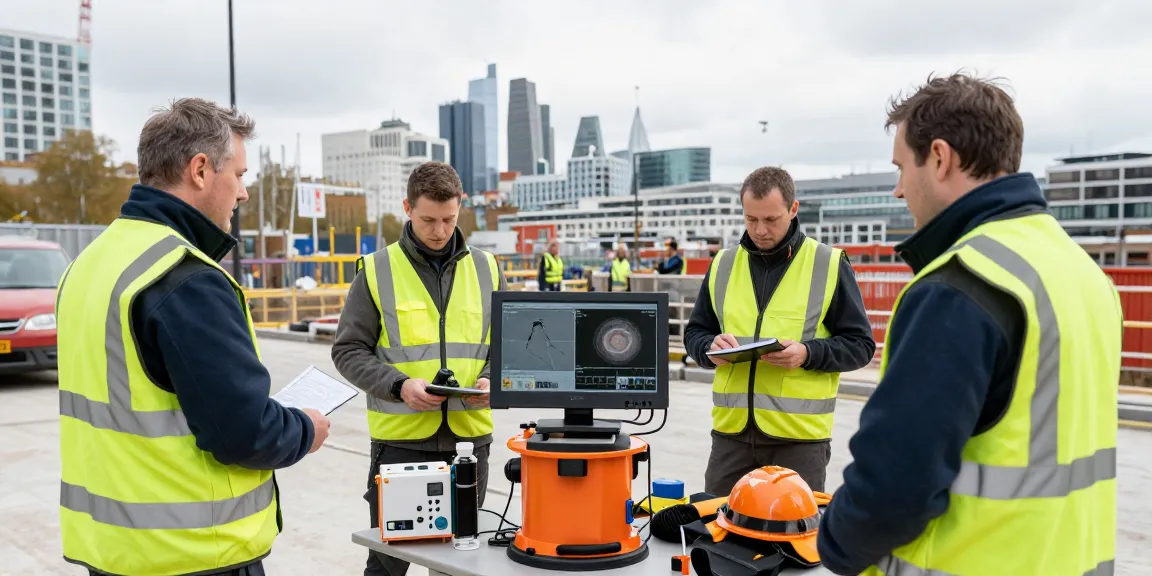
Understanding GPR Utility Surveys in London
Ground Penetrating Radar (GPR) utility surveys have become a cornerstone in the realm of construction and civil engineering. These innovative surveys employ advanced technology to detect and map underground utilities, providing invaluable data that significantly impacts project feasibility and safety. With London’s dense urban environment, the necessity for precise utility mapping has never been more crucial. By utilising GPR, professionals can effectively mitigate risks associated with excavation and construction. When exploring options, GPR Utility surveys London provides comprehensive insights into the subsurface landscape, ensuring that all potential hazards are identified early in the planning stages.
What are GPR Utility Surveys?
GPR utility surveys are non-invasive methods used to identify and map underground utilities such as water pipes, electrical conduits, and fibre optics. This technology works by transmitting high-frequency radio waves into the ground, which rebound off different materials and structures, providing a detailed representation of what lies beneath the surface. This process results in a visual output that allows surveyors and engineers to ascertain the location, depth, and condition of buried utilities.
Importance of GPR Utility Surveys in Construction
In the context of construction, GPR utility surveys offer critical advantages. First and foremost, they help avoid accidental strikes on utilities during excavation, which can lead to costly repairs, project delays, and even safety hazards. Furthermore, accurate utility mapping enhances project planning and infrastructure development by providing essential data for design and engineering decisions. Recognising where utilities are located allows construction teams to plan their excavation routes more effectively.
Key Technologies Used in GPR Utility Surveys
- High-Frequency Antennas: These antennas transmit and receive radar signals, enabling the detection of various utilities based on their material composition.
- GPS Integration: Coupling GPR data with GPS technology allows for precise mapping of the utility locations, facilitating easy reference during and after construction.
- Software Applications: Advanced software packages process the data collected from GPR surveys, translating radar signals into usable maps and 3D models.
Benefits of GPR Utility Surveys London
Enhanced Accuracy in Subsurface Mapping
One of the most significant benefits of GPR utility surveys is their ability to provide highly accurate subsurface maps. Traditional utility mapping methods often rely on existing documentation, which can be outdated or incorrect. In contrast, GPR surveys generate real-time data, allowing for immediate updates to project plans and strategies.
Cost-Effectiveness for Project Planning
Investing in GPR utility surveys can lead to substantial cost savings over the project lifecycle. By accurately identifying utilities before excavation begins, clients can prevent delays and avoid the financial repercussions associated with damaging underground infrastructure. Furthermore, the detailed information obtained from GPR surveys aids in resource allocation and project budgeting, ensuring that funds are allocated efficiently.
Minimising Risks During Construction
The risks associated with construction projects can be substantial, particularly regarding subsurface utility strikes. GPR utility surveys significantly minimise these risks by providing comprehensive data that informs excavation practices and safety protocols. With awareness of what lies beneath the surface, construction teams can devise safer strategies for digging and construction.
Challenges in Conducting GPR Utility Surveys
Common Obstacles in Urban Areas
Conducting GPR utility surveys in urban environments such as London presents unique challenges. The densely packed infrastructure, including buildings and underground systems, can complicate data interpretation. Moreover, noise and electromagnetic interference from surrounding equipment can affect radar signal quality, potentially leading to inaccurate results.
Technical Limitations of GPR Technology
While GPR is a powerful tool, it is not without its limitations. The effectiveness of GPR surveys can be hindered by certain soil conditions, such as saturated or highly conductive materials, which can absorb radar signals. Additionally, distinguishing between multiple overlapping utilities can prove challenging, requiring expert interpretation of data.
Overcoming Regulatory Hurdles
The legal framework surrounding excavation and construction in London requires careful navigation. Surveyors must comply with various regulations and obtaining permissions for working near existing utilities can sometimes delay project timelines. Staying informed of local regulations and establishing connections with utility companies can ease these hurdles.
Best Practices for GPR Utility Surveys London
Choosing the Right Equipment and Techniques
Selecting appropriate GPR equipment is vital to the success of utility surveys. Surveyors should consider factors such as frequency selection, antenna design, and the specific site conditions when choosing GPR systems. Additionally, employing complementary methods like electromagnetic location can enhance survey accuracy.
Preparing the Site for Effective Surveys
Proper site preparation is essential for effective GPR utility surveys. This involves ensuring the ground is clear of debris, vegetation, and other obstructions that may interfere with radar signals. Additionally, conducting preliminary site assessments can facilitate a smoother surveying process.
Interpreting GPR Data Accurately
Accurate interpretation of GPR data requires expertise. Surveyors must be skilled in distinguishing between different signal types and understanding their implications. Regular training and continuous education on emerging technologies and interpretation techniques can significantly enhance the quality of survey outcomes.
The Future of GPR Utility Surveys in 2026
Emerging Trends in Utility Surveying
As technology continues to evolve, so too does the field of utility surveying. In 2026, we can expect to see increased adoption of artificial intelligence and machine learning techniques to optimise data analysis and interpretation in GPR surveys. These advancements will allow for quicker and more accurate surveying processes.
The Impact of Technology on Surveying Practices
Innovations in GPR technology are set to revolutionise surveying practices. Future GPR systems are likely to integrate seamlessly with other surveying technologies, such as drones and LiDAR, offering comprehensive site assessments that combine aerial data with subsurface insights.
Case Studies: Successful GPR Surveys in London
Numerous case studies demonstrate the efficacy of GPR utility surveys in urban settings. For instance, a recent project in central London involved mapping the extensive network of utilities surrounding a historical site before construction commenced. The data collected enabled engineers to plan excavation safely and effectively, avoiding multiple utility strikes that could have halted the project.
What are the Orthogonal Dimensions for Planning?
Understanding the orthogonal dimensions for planning purposes involves knowing the spatial relationships among utilities and infrastructure. Accurate measurements derived from GPR surveys inform spatial planning and enable better integration of new constructions with existing systems.
Future Considerations for Urban Development
The future landscape of urban development in London will rely heavily on the integration of sophisticated surveying technologies. Stakeholders must prioritise collaboration with utility surveyors to ensure seamless urban planning that accommodates new developments while preserving the integrity of existing infrastructures.
