
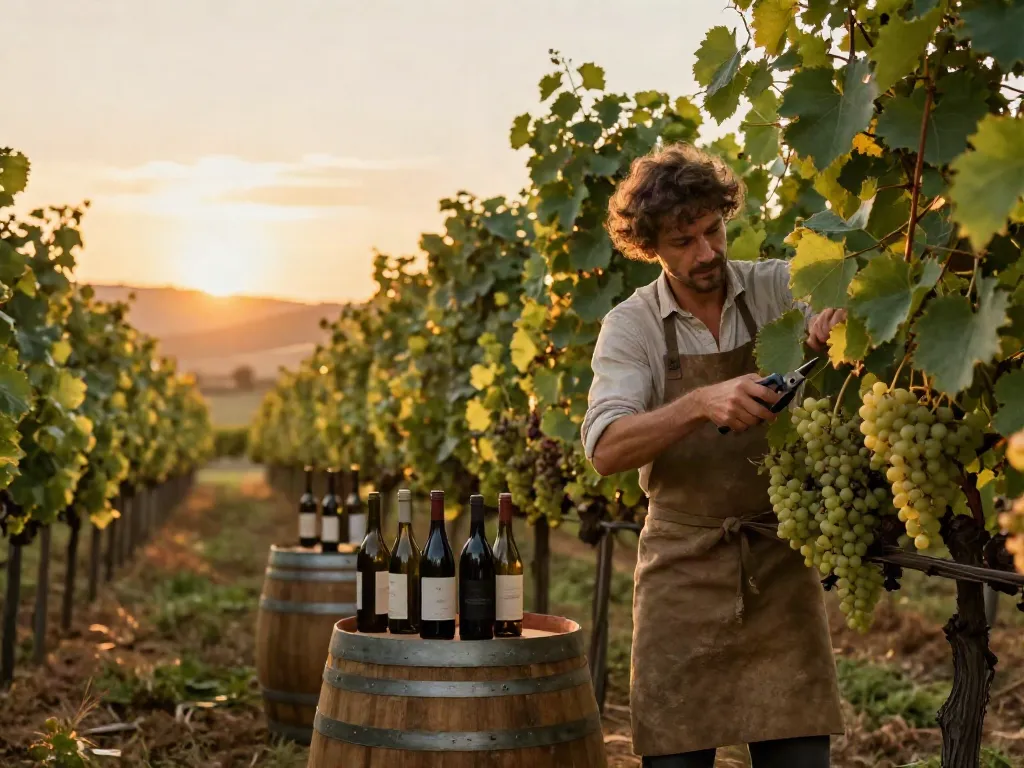
Understanding the Basics of Wine Production
Wine production is an intricate art that combines science, tradition, and a touch of creativity. At the heart of this process lies a deep understanding of the fundamental elements that result in a high-quality product. Whether you are a seasoned winemaker or a budding enthusiast, appreciating these essentials is pivotal for anyone involved in the industry. The innovative spirit of avpwinecollective.com serves as a perfect example of how modern approaches can revolutionize traditional practices, making wine accessible to a broader audience.
The Story Behind avpwinecollective.com
Founded on the principles of collaboration and innovation, avpwinecollective.com showcases a collective of emerging winemakers who share resources, knowledge, and passion for creating unique wines. Situated in Portland, Oregon, this facility provides both experienced and novice winemakers a supportive environment to launch their brands. By emphasizing community over competition, AVP Wine Collective helps foster a new generation of talent in the winemaking industry.
Key Elements of Winemaking
Winemaking encompasses a variety of stages, each critical to the final product. The main elements include:
- Grape Selection: Choosing the right varietals based on climate, soil, and desired flavor profiles.
- Fermentation: The conversion of sugars to alcohol, which can vary in duration and methods.
- Aging: Decisions on whether to use oak barrels or stainless steel tanks can greatly affect the wine’s character.
- Bottling: The final step where wine is sealed and prepared for distribution.
Common Misconceptions in the Wine Industry
Despite its rich history, the wine industry is riddled with misconceptions. Many believe that high price guarantees quality or that all wines improve with age. In reality, the best wine depends on personal taste preferences, and not every wine is meant to be aged. Education and open-mindedness are crucial in navigating these perceptions.
Choosing the Right Grapes
A successful wine begins with the selection of the appropriate grapes. Factors such as climate, vineyard location, and the skill of the winemaker all influence grape quality and suitability for specific wine styles.
Factors Influencing Grape Selection
The choice of grapes is pivotal for winemaking, as various factors contribute to their selection:
- Climate: Regions with distinct growing seasons offer varying levels of sugar, acidity, and flavor compounds in grapes.
- Soil Composition: Terroir – the natural environment in which grapes are grown – heavily influences their characteristics.
- Market Trends: Understanding consumer preferences can guide which varietals to focus on, ensuring market competitiveness.
Understanding Terroir and Its Impact
Terroir is a French term that encapsulates the environmental factors affecting a vineyard, including soil, climate, and geography. These elements contribute to the specific taste of wines from different regions, often giving them distinct identities that resonate with consumers.
Best Practices for Harvesting Grapes
Harvesting is a critical juncture in winemaking, and it’s essential to execute it with precision. Best practices include:
- Timing: Grapes should be picked at their peak ripeness, determined by sugar levels, acidity, and flavor development.
- Hand-Picking vs. Mechanical Harvesting: While hand-picking tends to be more selective, mechanical harvesting can be efficient for larger producers.
- Transport: Grapes must be transported quickly to the winery to minimize spoilage and maintain freshness.
The Winemaking Process
Once the grapes are harvested, the winemaking process can begin. This journey involves various intricate steps that define the character of the final wine product.
Crushing and Fermentation Techniques
Crushing breaks the grape skins to release juice, and fermentation is the transformation of this juice into wine through yeast action. Techniques may vary; for example:
- Traditional Crushing: Gentle pressing of grapes to avoid extracting harsh tannins.
- Modern Techniques: Use of machinery for efficiency, which must be carefully managed to maintain wine quality.
Aging: Barrels vs. Stainless Steel
Aging can be performed in various containers, each imparting different characteristics to the wine. Oak barrels can add complex flavors and aromas, while stainless steel preserves the fruit's purity. Understanding the desired style helps winemakers choose the right aging method.
Common Mistakes in Vinification
Even experienced winemakers can make mistakes during vinification. Some common pitfalls include:
- Ignoring Hygiene: Proper sanitation is essential to avoid spoilage.
- Over-Oaking: Excessive use of oak can overpower the wine's natural flavors.
- Misjudging Aging Times: Not all wines benefit from long aging; some are best enjoyed young.
Wine Marketing and Branding
Once the wine is produced, effective marketing and branding become essential for success in a competitive marketplace. Unique brand identity can make all the difference.
Building avpwinecollective.com’s Brand Identity
Creating a strong brand identity involves representing the collective values of the winemakers while also appealing to the target audience. Visual elements like labeling, logo design, and storytelling around the brand resonate with consumers and enhance loyalty.
Engaging Your Audience Effectively
Engagement strategies can significantly affect a winery's reputation. Leveraging social media, hosting tasting events, and engaging with local communities helps create a loyal customer base and extends the winery's reach.
Using Digital Marketing Strategies
In today’s digital age, effective online marketing is crucial. Utilizing SEO practices, diverse content creation, and email marketing can enhance visibility and drive sales. Websites like avpwinecollective.com serve as excellent platforms for showcasing the wines and educating potential customers.
The Future of Winemaking
The 2026 landscape of the wine industry is shaping up to be influenced by evolving consumer preferences and technological advancements.
Trends to Watch in 2026
As the market changes, several trends are emerging, including:
- Health-Conscious Wines: Wines with reduced sugar and alcohol, catering to health-conscious consumers.
- Eco-Friendly Practices: Sustainable practices are becoming a demand, with consumers seeking brands that prioritize environmental responsibility.
- Expanding Global Markets: Emerging wine markets, such as countries in Asia, offer new opportunities for growth.
Sustainability in Winemaking Practices
Sustainability is not just a trend but a necessity. Sustainable practices can involve using organic grapes, adopting renewable energy sources, and implementing water conservation measures, all contributing to a healthier planet.
Innovations Shaping the Wine Industry
Technological advancements are playing a pivotal role in transforming winemaking. Innovations such as precision viticulture, artificial intelligence in monitoring vineyard conditions, and advancements in fermentation technology are enhancing the quality and consistency of wines produced globally.
What are the key features of avpwinecollective.com?
Key features include collaborative winemaking opportunities, state-of-the-art facilities, and educational resources aimed at nurturing the next generation of winemakers. As a hub for talent, the collective sets itself apart by fostering innovation and community support.
How can I get involved in winemaking?
Getting involved in winemaking can be incredibly rewarding. Start by attending workshops, visiting local wineries, or even volunteering during harvest seasons to gain hands-on experience. Connecting with organizations like avpwinecollective.com can provide further opportunities and resources.
What are the most common pitfalls in wine production?
The most common pitfalls include underestimating the importance of terroir, neglecting proper fermentation controls, and misjudging aging potential. Awareness of these challenges helps improve the chances of success in winemaking ventures.
What role does technology play in modern winemaking?
Technology enhances accuracy in monitoring vineyard conditions, streamlining production processes, and improving quality control. Innovations such as drones for vineyard surveillance, software for tracking fermentation progress, and automated bottling lines have revolutionized the industry.
How can I market my own wine effectively?
To market your wine effectively, focus on building a brand story that connects with consumers emotionally. Utilize social media platforms to engage directly with your audience, and consider implementing SEO strategies to enhance online visibility.